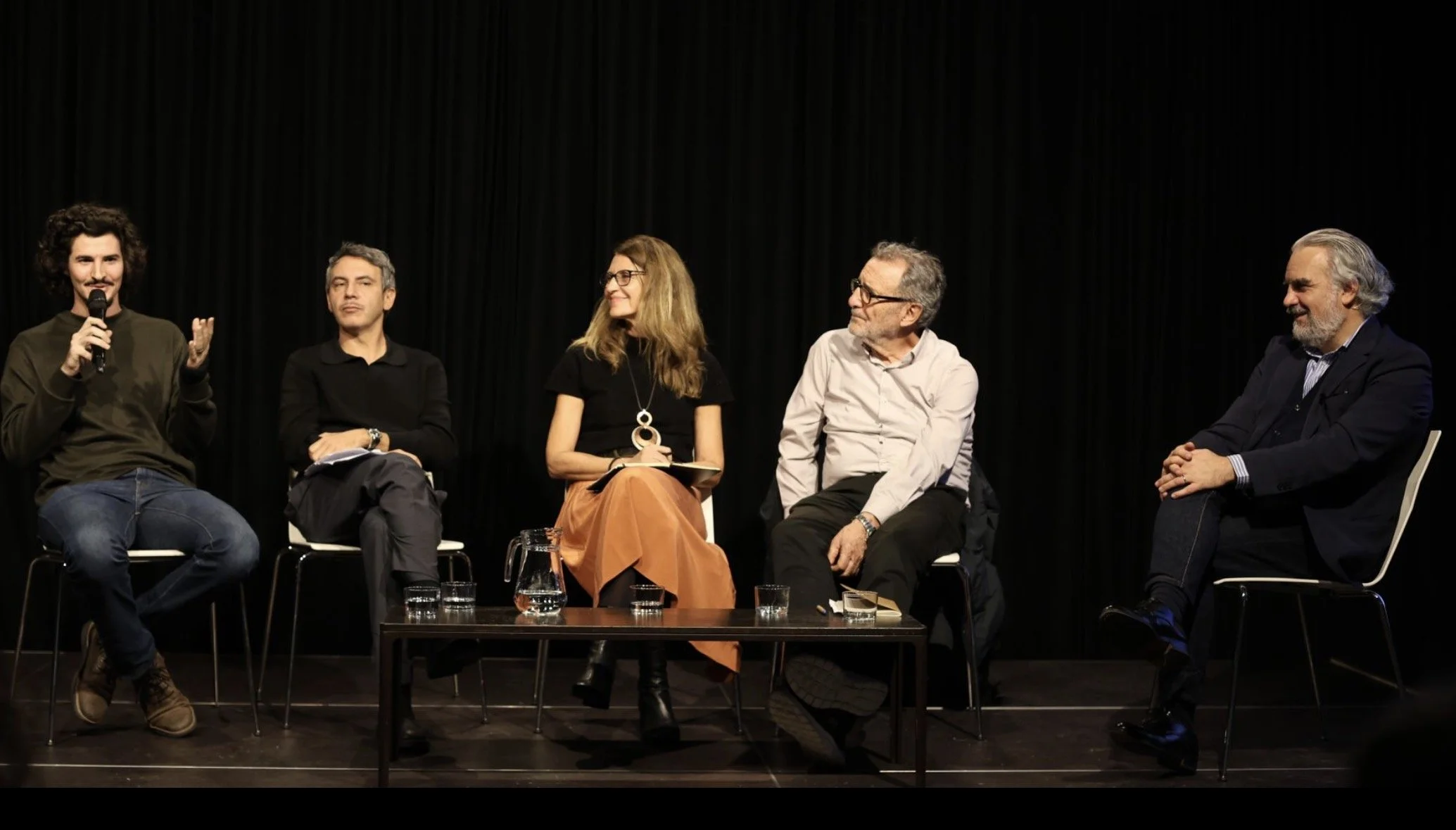
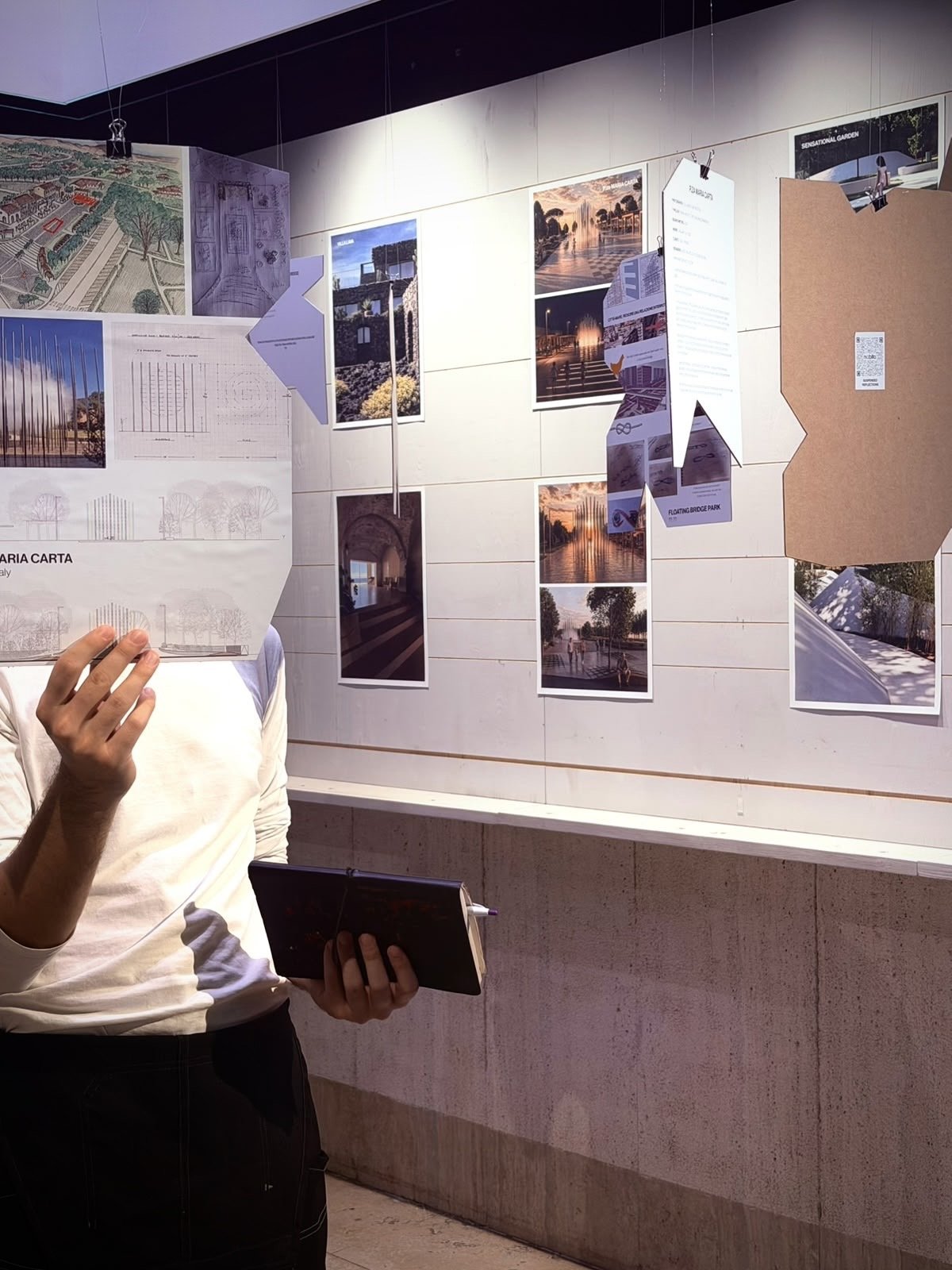
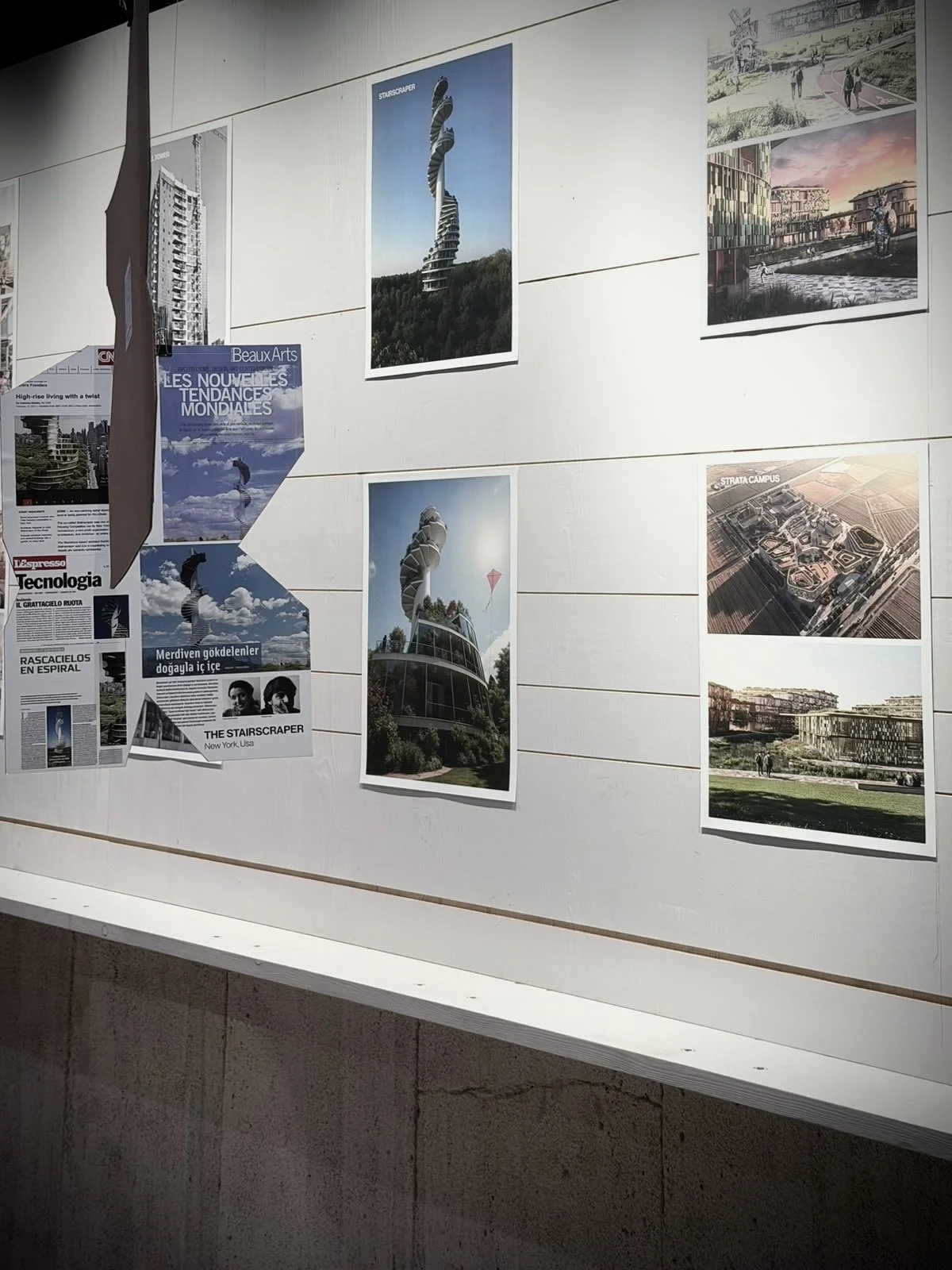
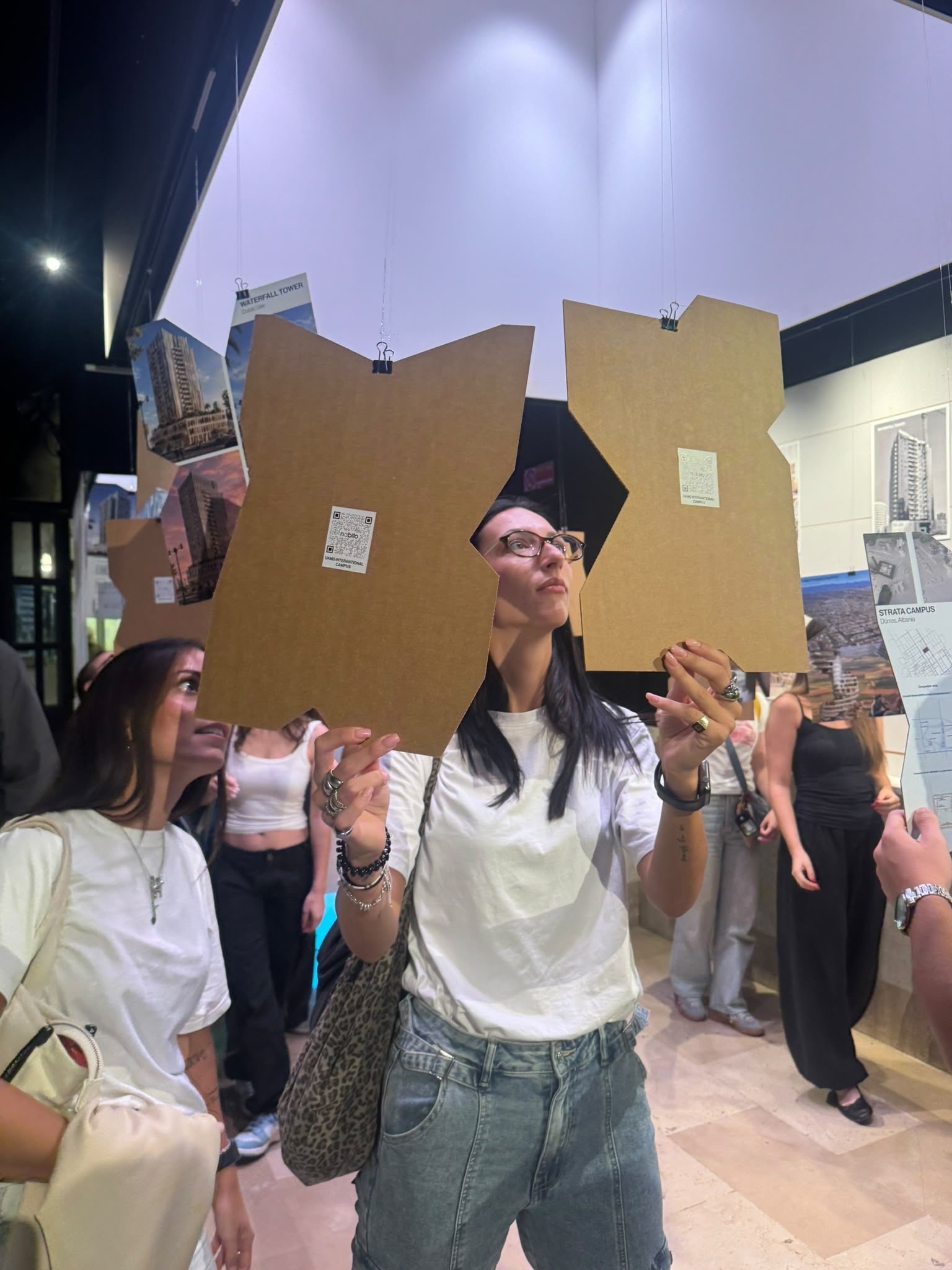
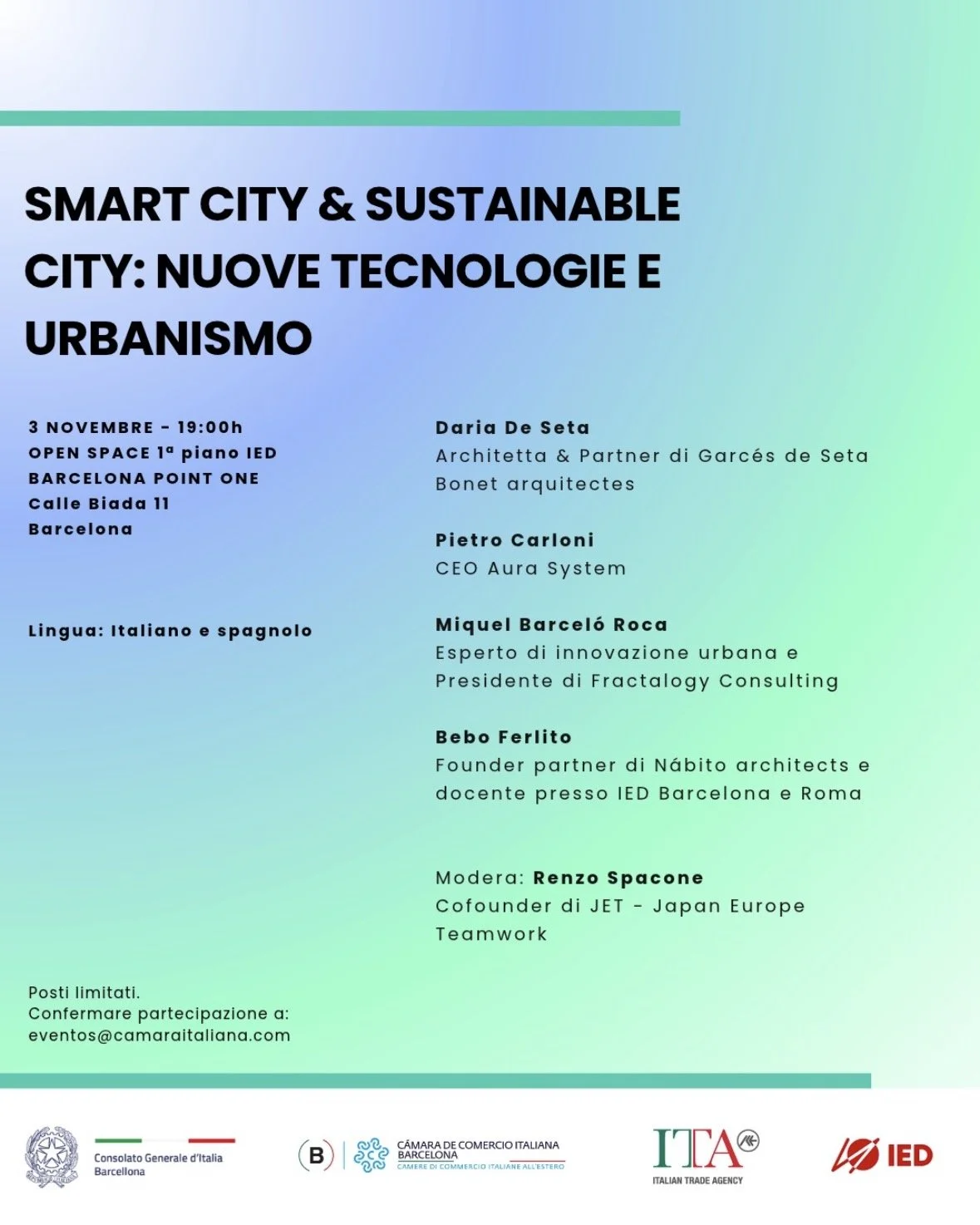
ROUND TABLE, IED Barcelona
INTELLIGENT COMMUNITIES
A new intelligence for the contemporary city
When we talk about Smart Cities, our thoughts immediately turn to technology, digital models, big data, digital twins, artificial intelligence and systems designed to make cities function more efficiently.
Personally, the term Smart does not fully convince me. It evokes the idea of a city that is somehow clever, finding shortcuts and quick solutions. I prefer to talk about Intelligent Communities.
I believe that urban intelligence is something much more complex: the ability to connect different knowledge, skills, interests, businesses and people in order to develop collective responses and improve the quality of life of all citizens.
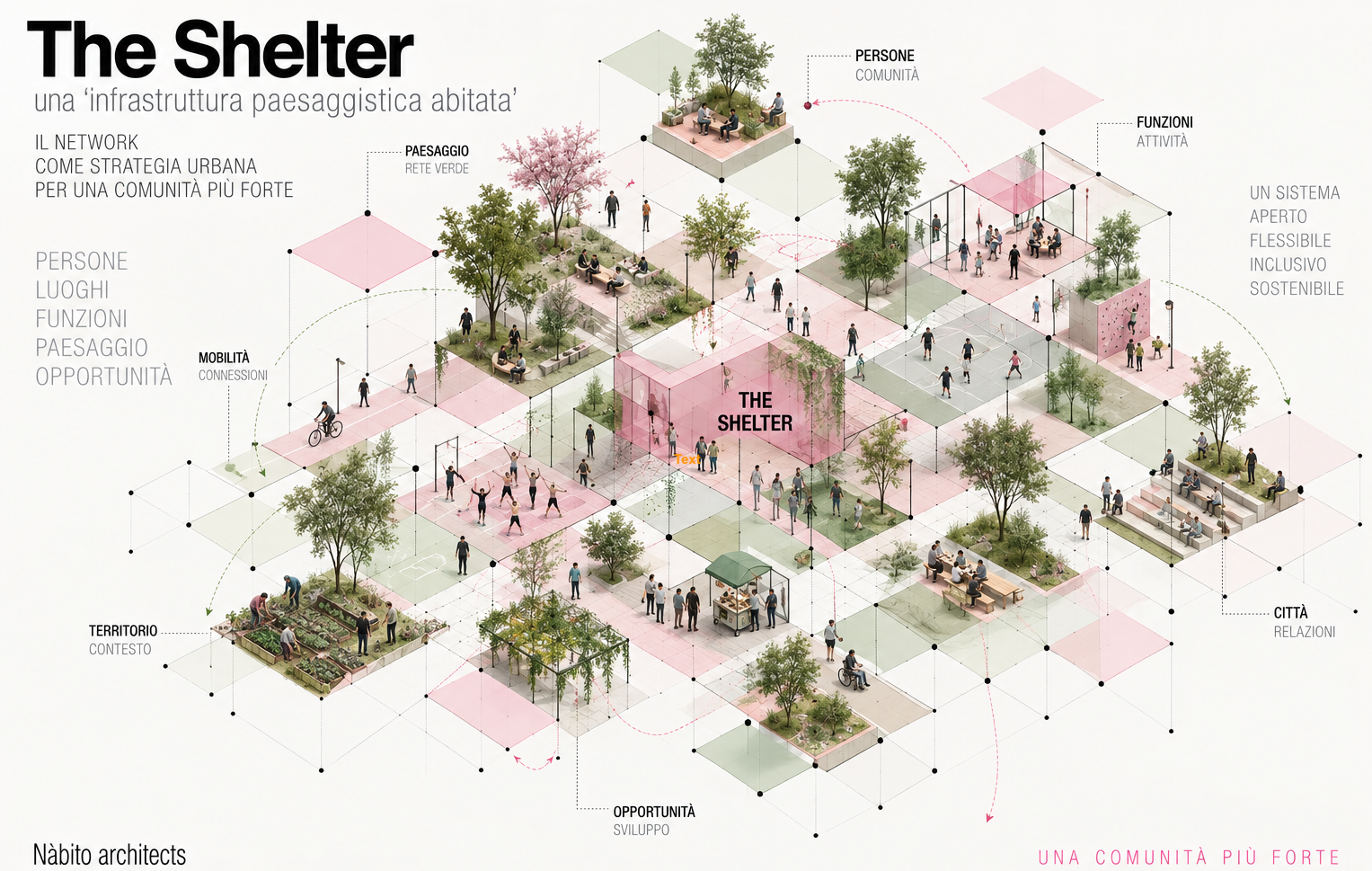
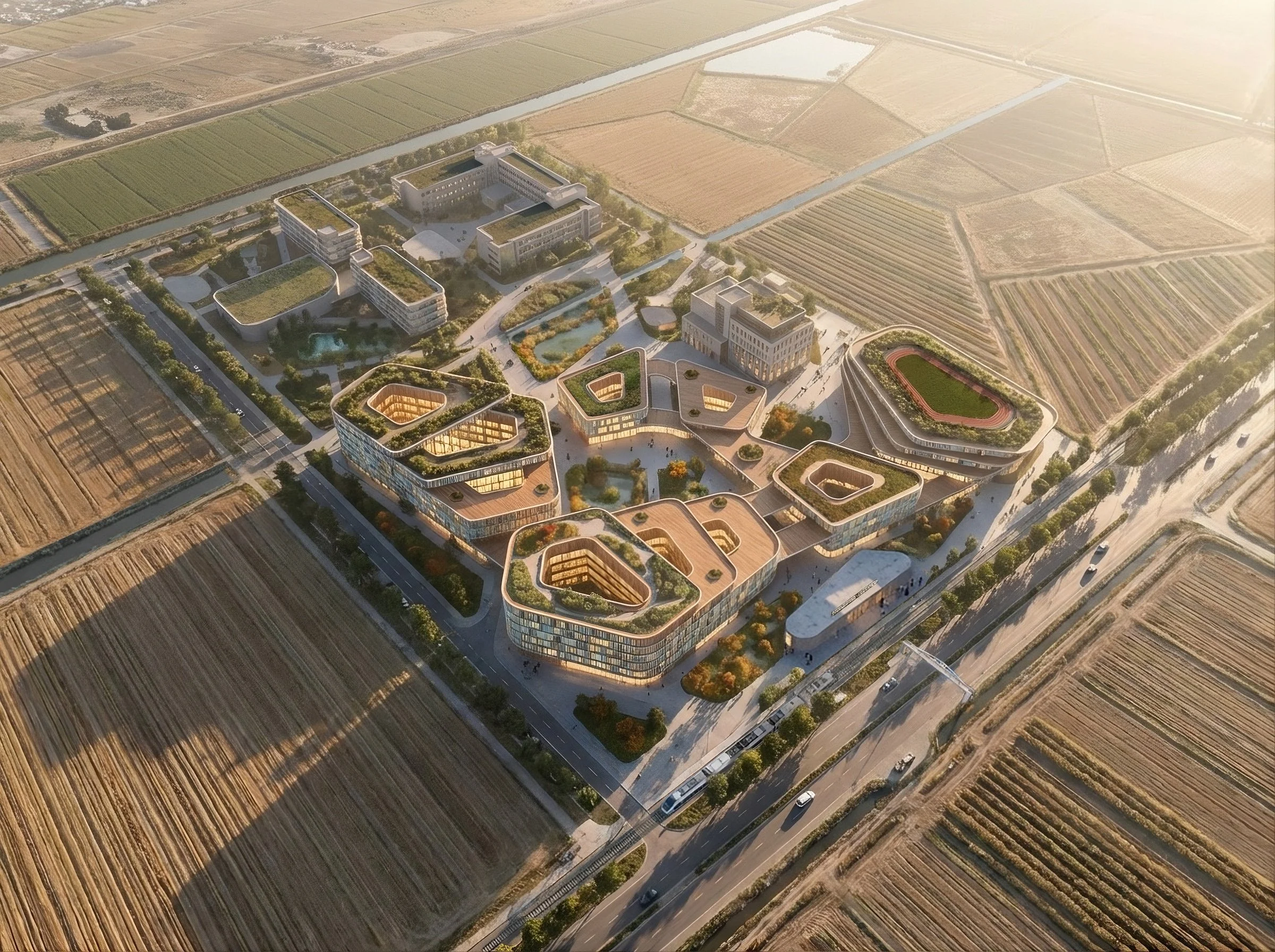
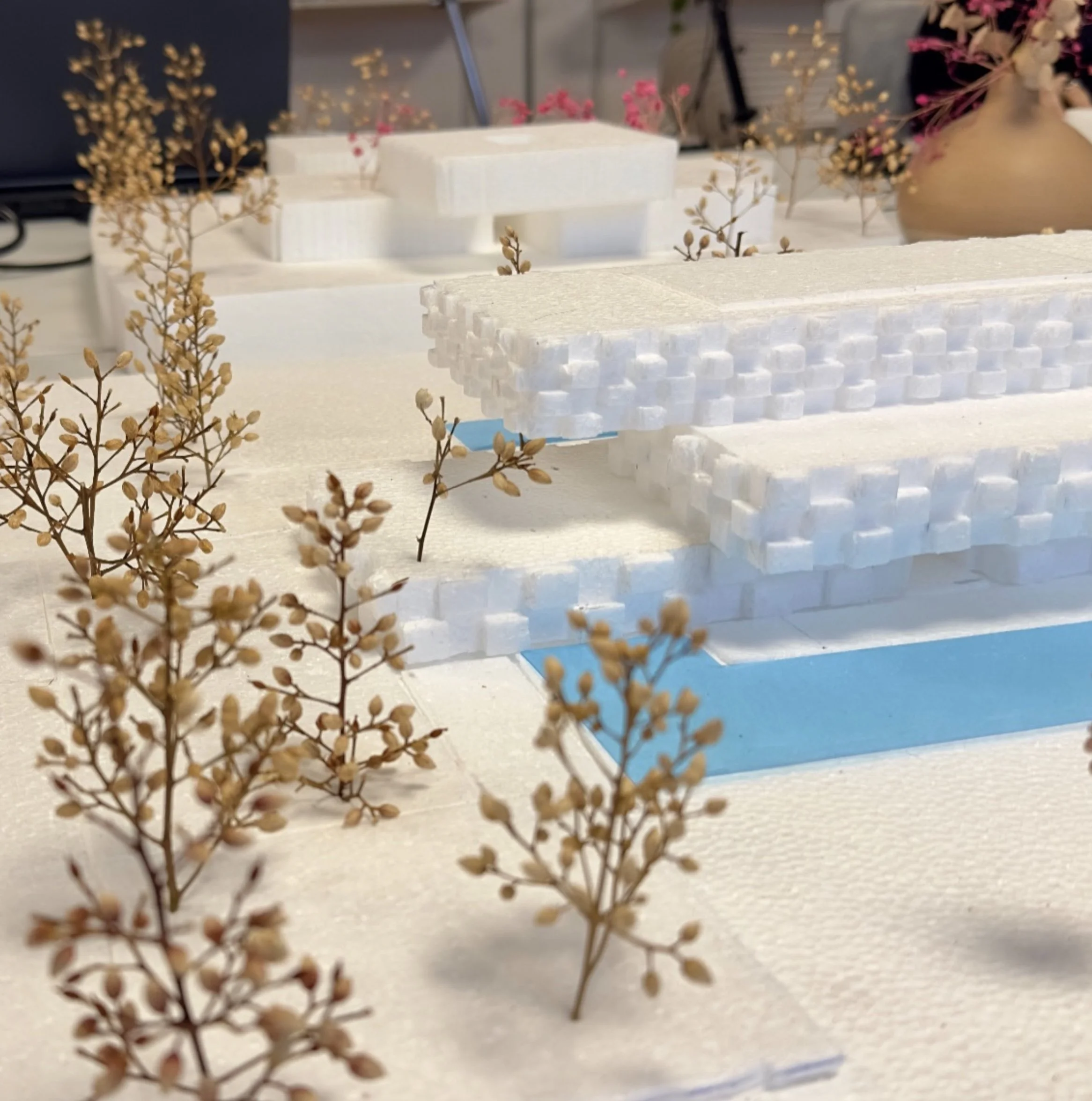
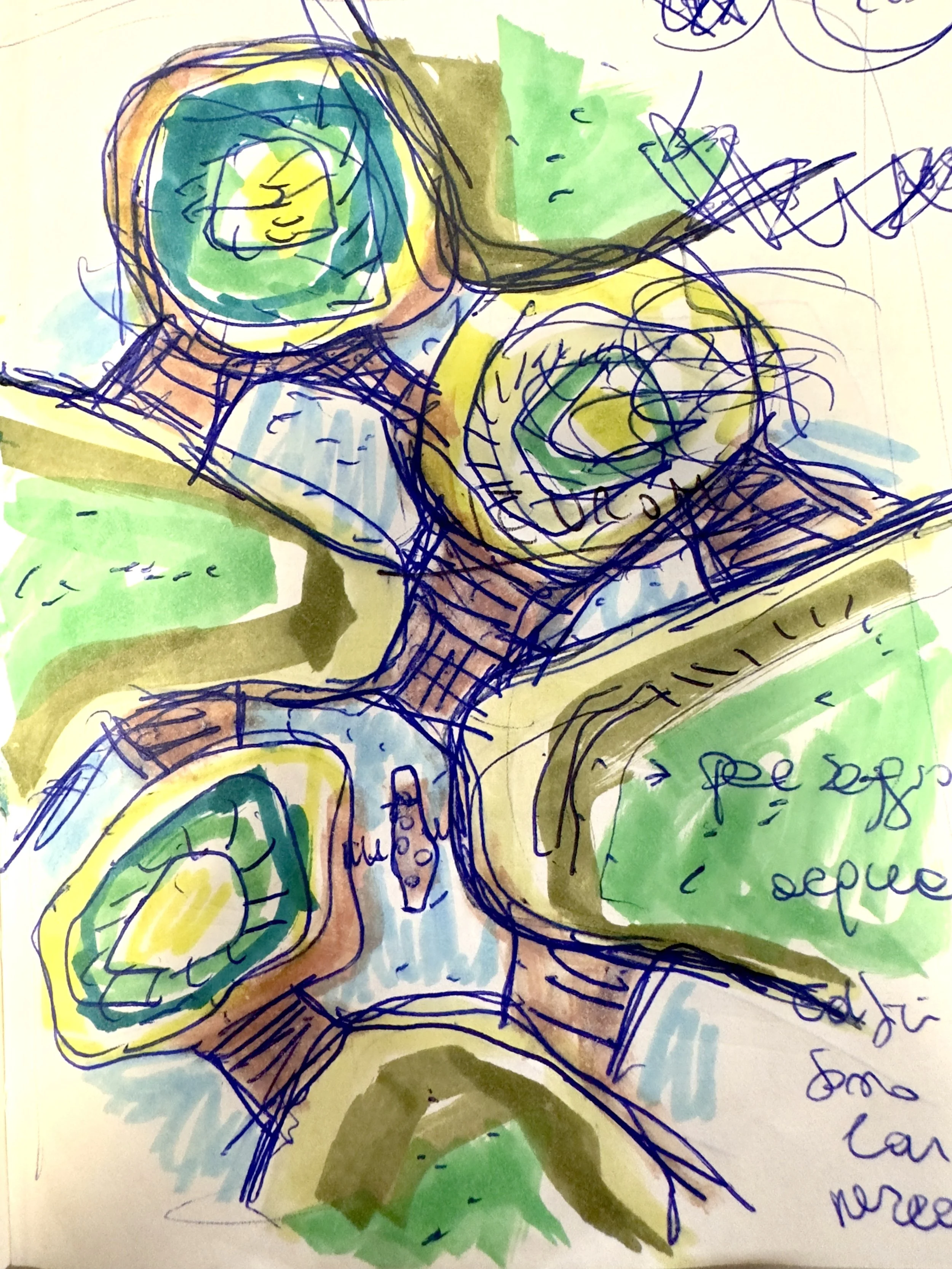
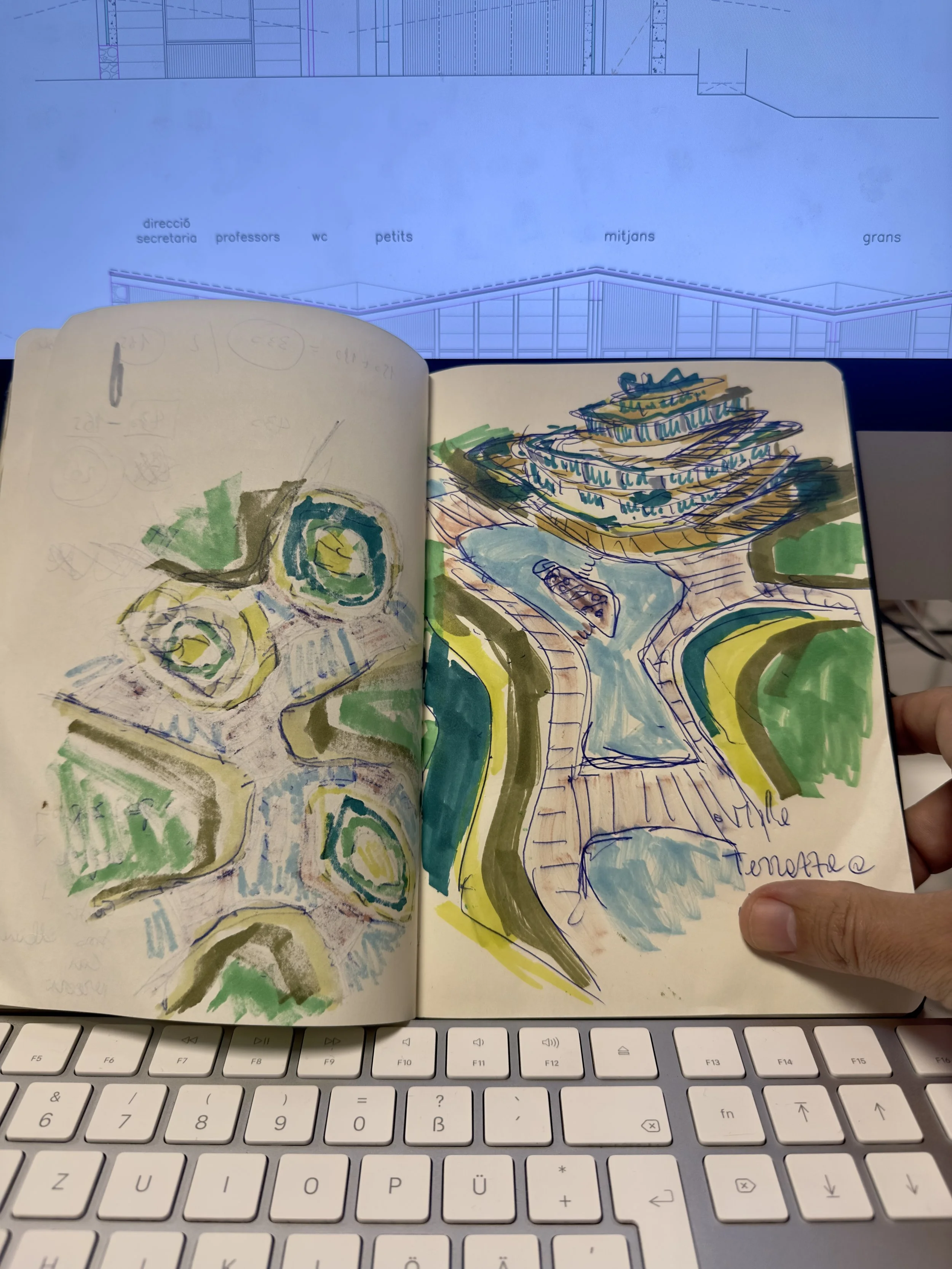
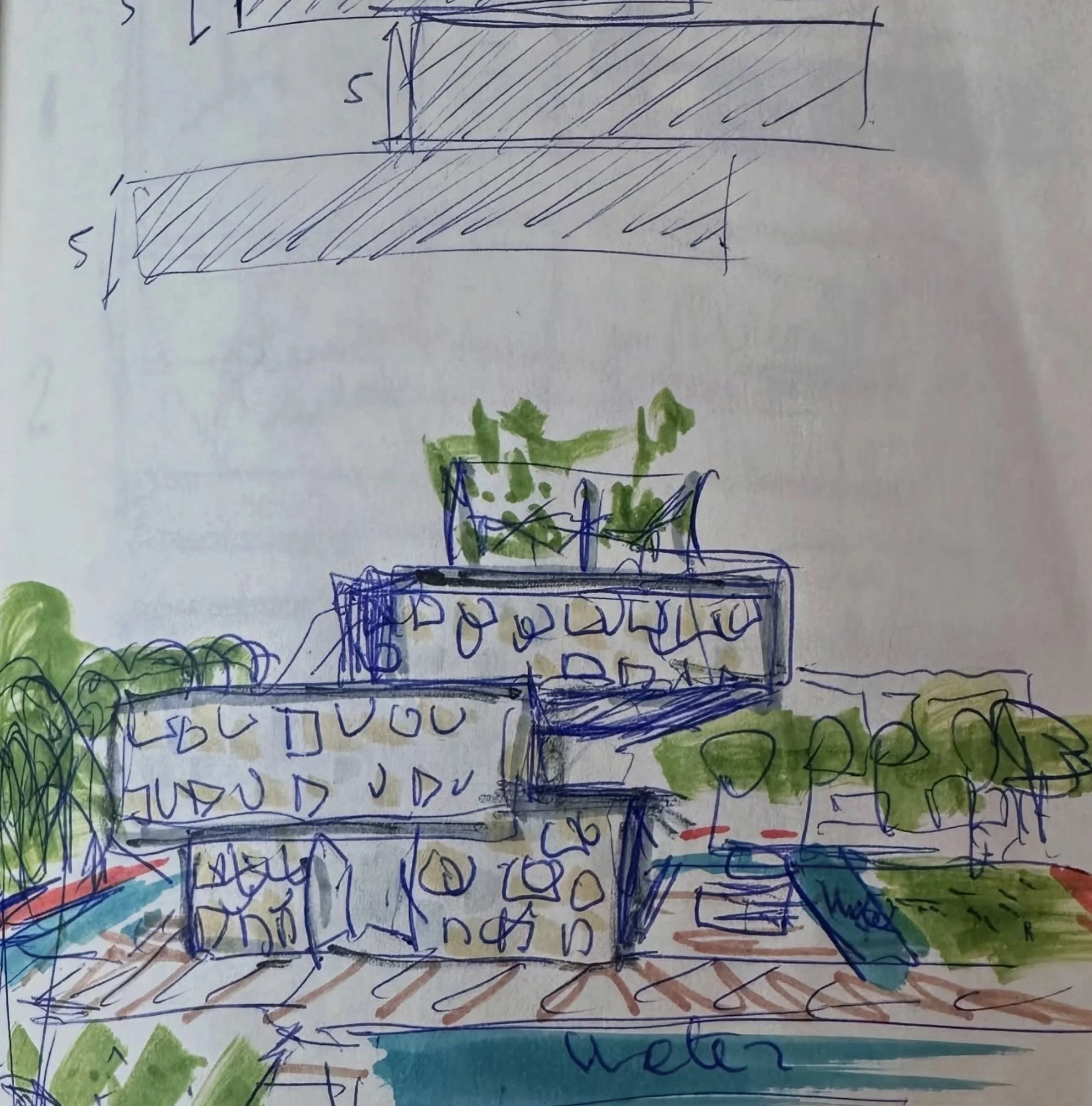
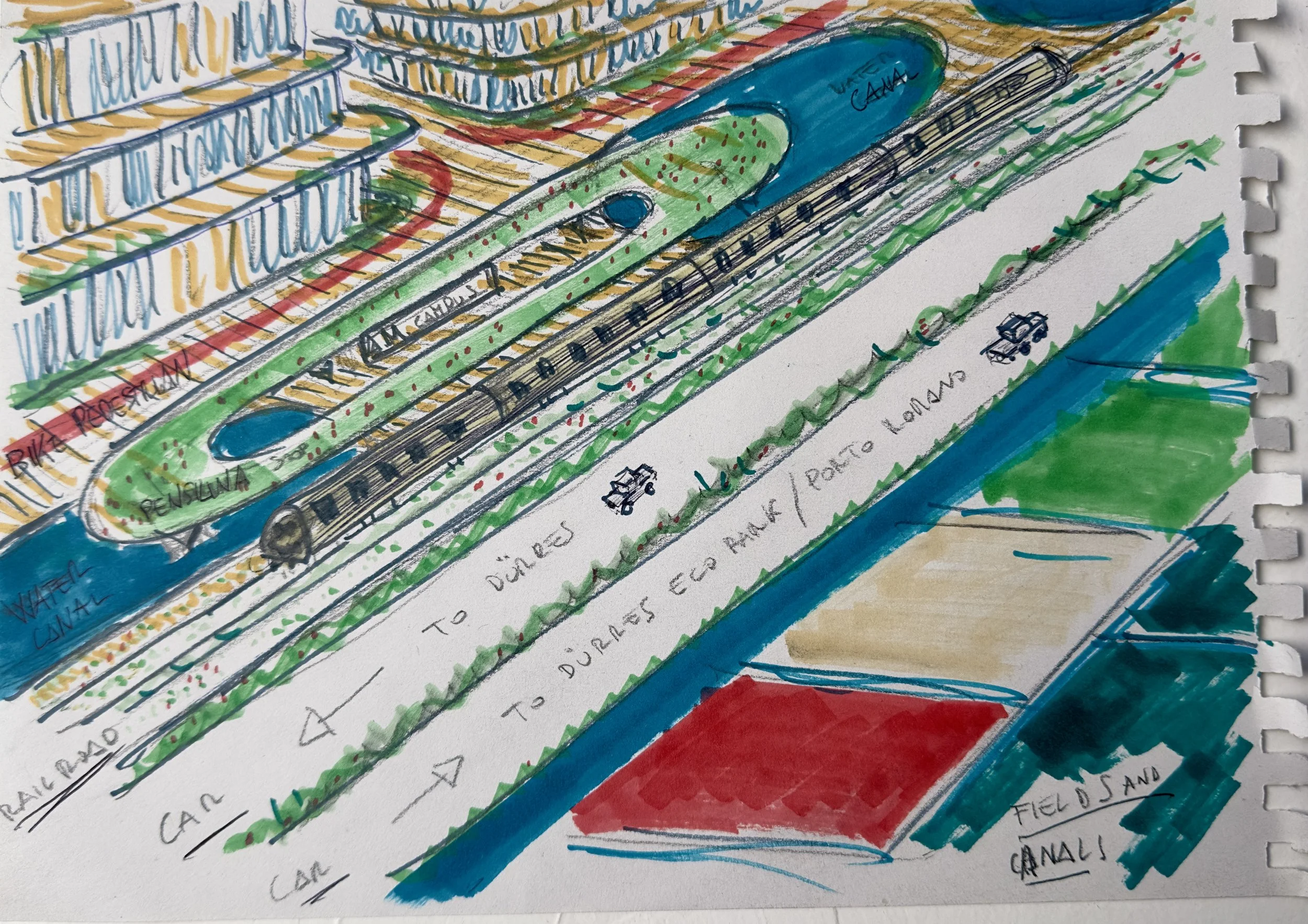
This is also the approach we take at Nábito Architects and in the urban projects we are currently developing. The role of the architect has profoundly changed: it is no longer simply about someone who arrives with a preconceived idea to impose, but rather about coordinating complexity, working through networks, horizontally and across disciplines, bringing together public administrators, technicians, builders, researchers, specialists and suppliers of innovative materials and technologies.
I also believe that companies — from architecture and landscape design practices to material and technology suppliers — are fundamental actors in this process. They bring innovation, expertise and investment. Collaboration between public administrations, professionals and the business community can turn urban regeneration into a driver of economic, social and environmental development.
The project therefore becomes a process of dialogue and coordination, built around a shared but flexible vision, able to evolve through everyone's contribution. This is, for me, a form of collective intelligence.
This transformation also concerns the way we conceive the city. We have moved from an urban model based on the separation of functions — work, rest and leisure — towards a contemporary condition in which space and time increasingly overlap.
Carlos Moreno's 15-minute city remains an important model, but today we can imagine something further: integrated functions, shared spaces and a kind of instantaneous space-time city, where we can work and live without necessarily having to move from one place to another.
We can be physically present in a park while simultaneously somewhere else: working, communicating, shopping and participating in distant digital realities. An intermittent presence, a kind of stereo-reality.
For this reason, I believe it is important to restore value to the physical experience of the city and of moving through it. If the digital dimension allows us to be present in different places and realities at the same time, physical space must offer something that the digital world cannot replace: contact with the landscape, materials, tactility and encounters with other people.
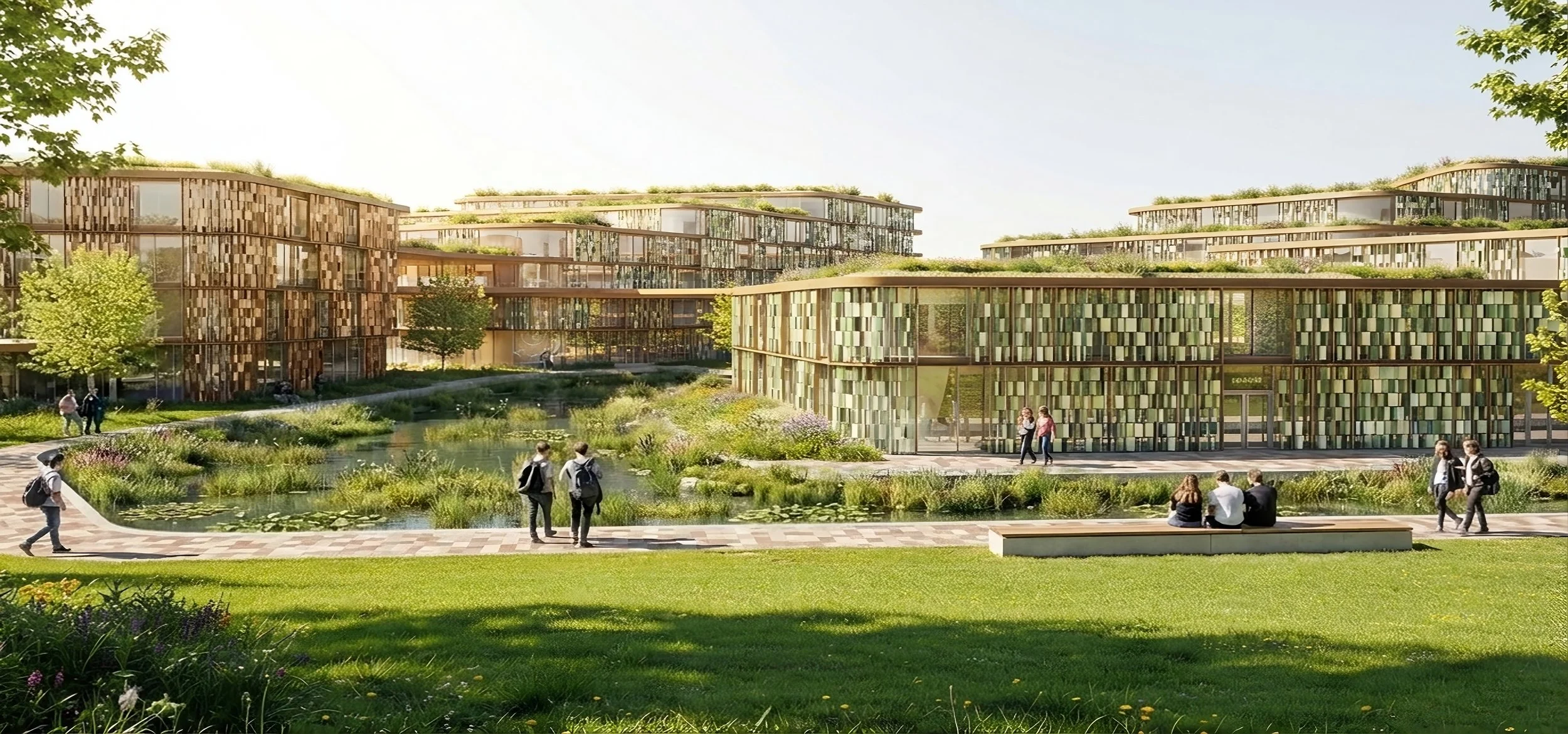
In this sense, informal social spaces, both indoors and outdoors, become essential: cafés, restaurants, commercial spaces, squares and green urban corridors. These are the Third Places, as described by Ray Oldenburg, which contribute to building the identity and sense of belonging of communities.
Technology can help us manage energy, climate and infrastructure through tools such as digital twins. But excessive reliance on it risks turning the city into an increasingly monitored and controlled environment, where people's behaviour is guided and their autonomy progressively reduced.
I believe instead that an intelligently designed city must leave room for the unexpected, spontaneity and the free appropriation of its spaces. Not everything needs to be programmed or regulated: part of urban life comes precisely from the possibility of people using spaces in ways that the designer never anticipated.
This freedom also requires a different allocation of public space: discouraging the use of private cars means giving streets and squares back to people, creating more opportunities for encounters, social life and spontaneous appropriation.
An interesting example is Merwede, in Utrecht, a new urban district designed around a car-free inner area. Private cars are kept out of its central streets, while parking is concentrated at the edges, leaving more space for pedestrians, cyclists, greenery and social activities.
A city that is intelligent must also be sustainable. But sustainability is not only environmental: it is also economic and social.
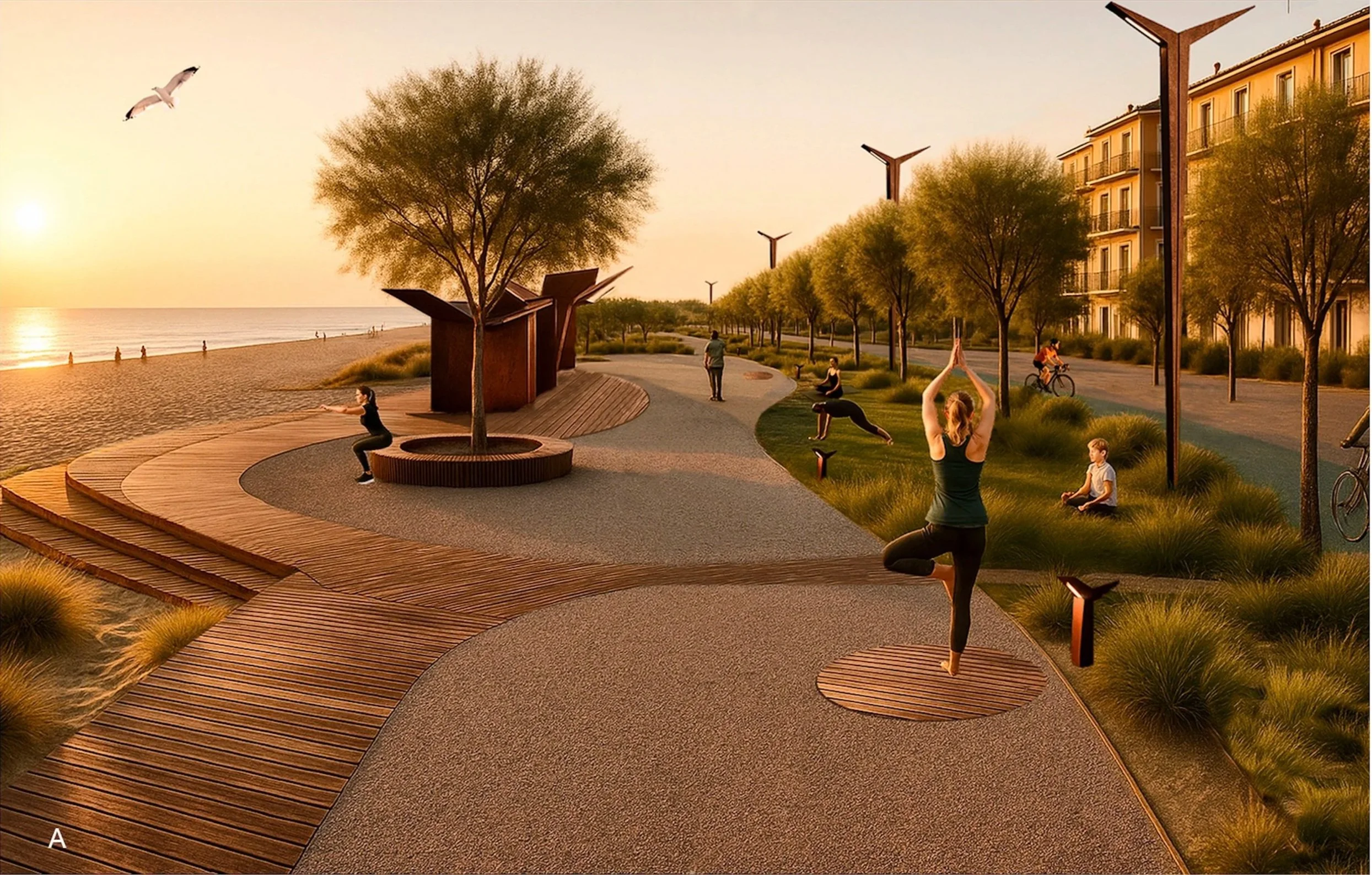
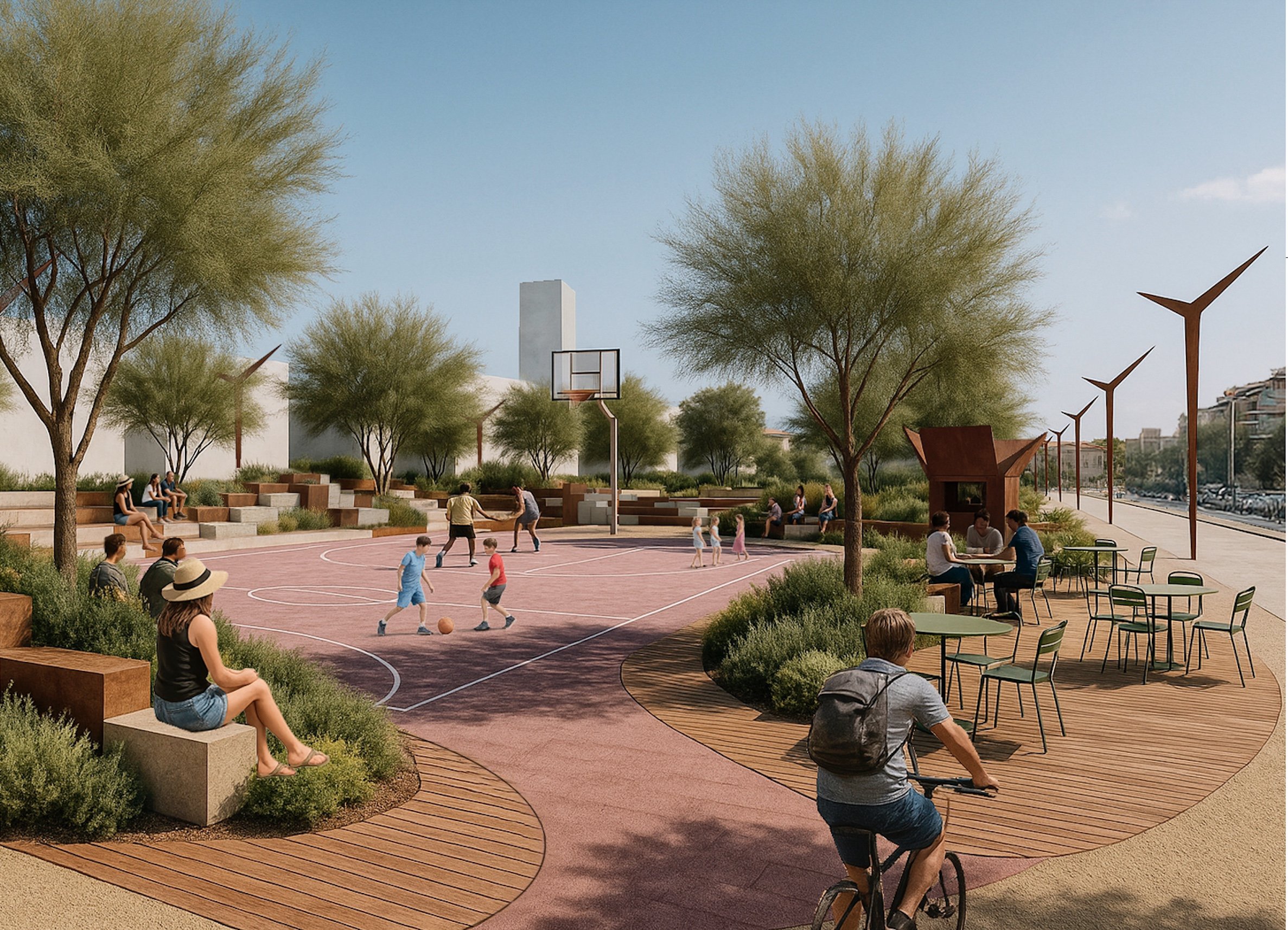
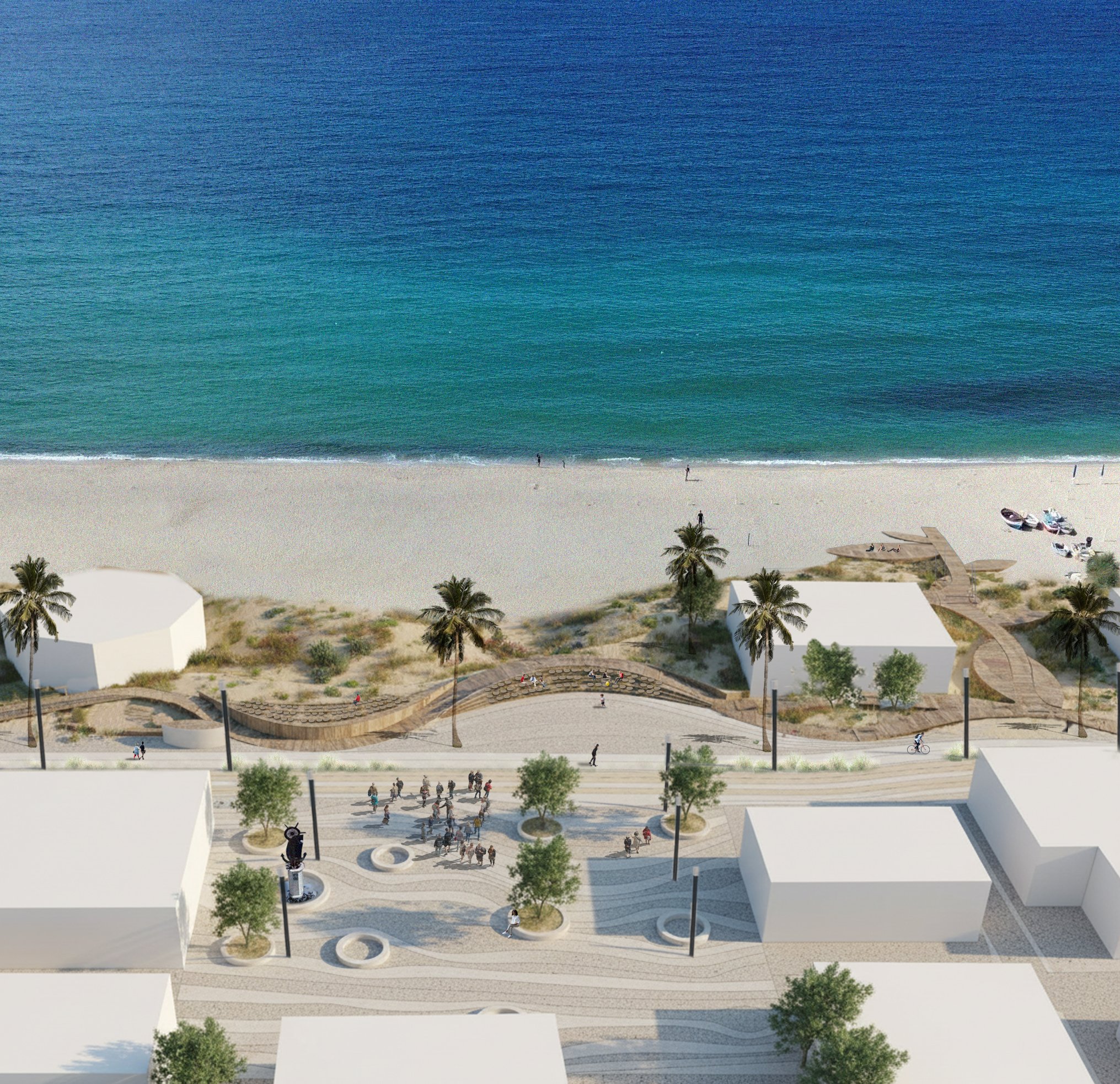
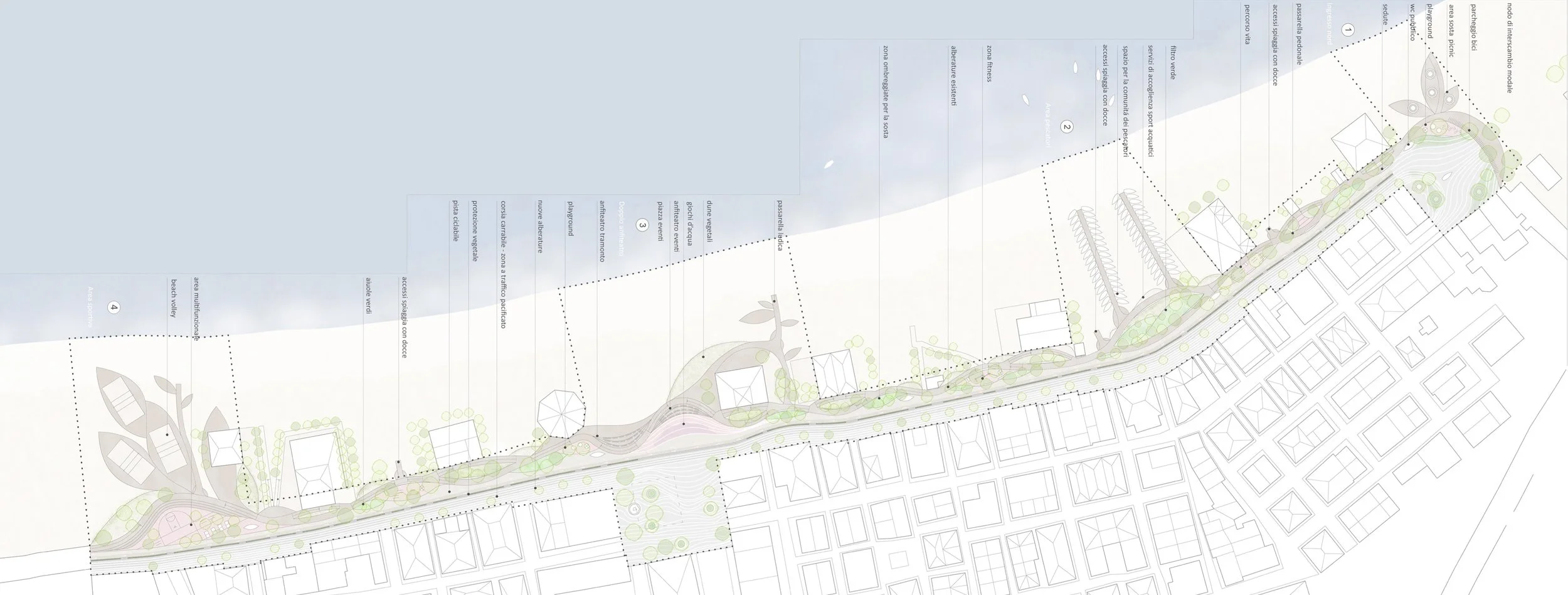
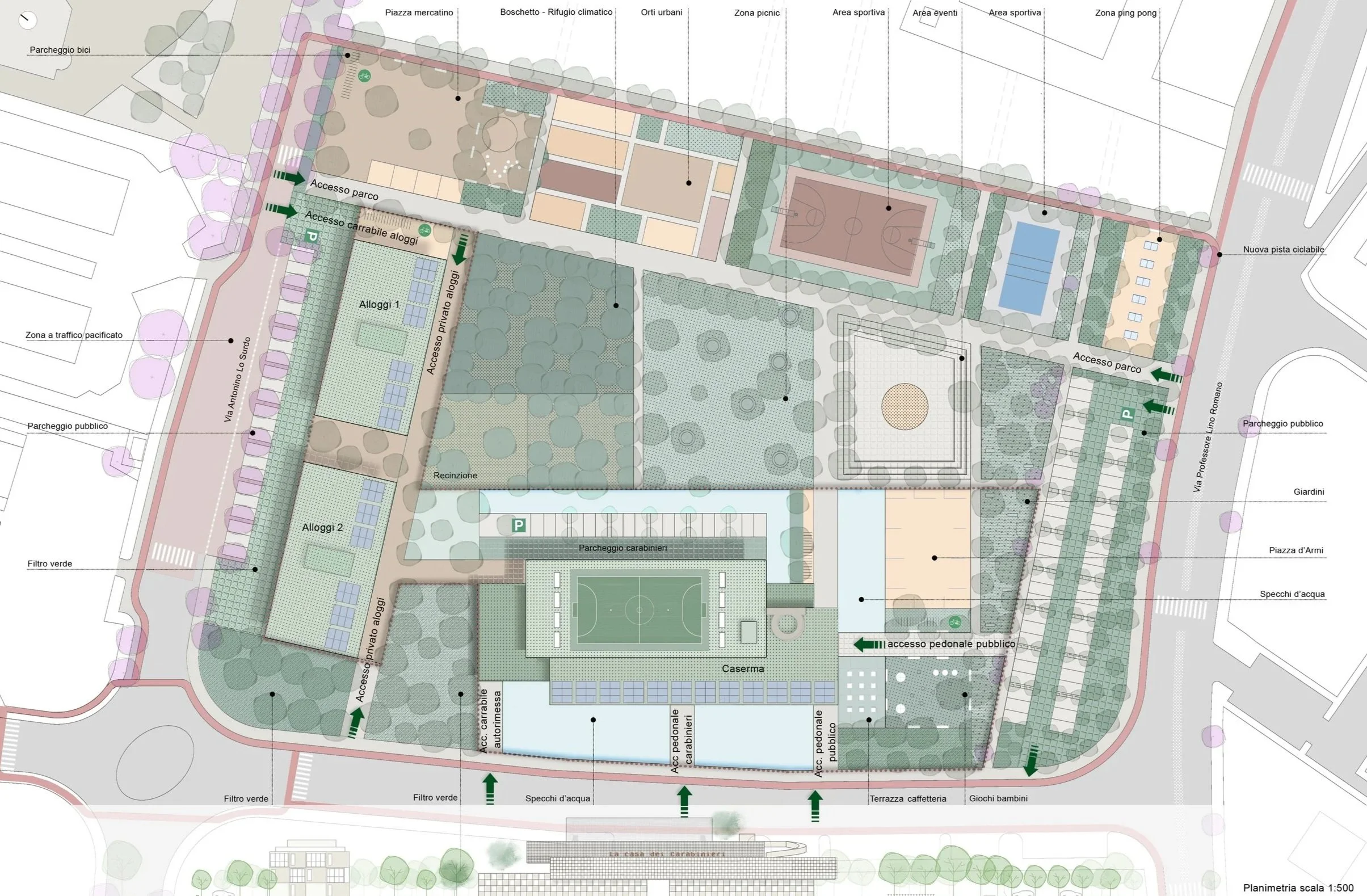
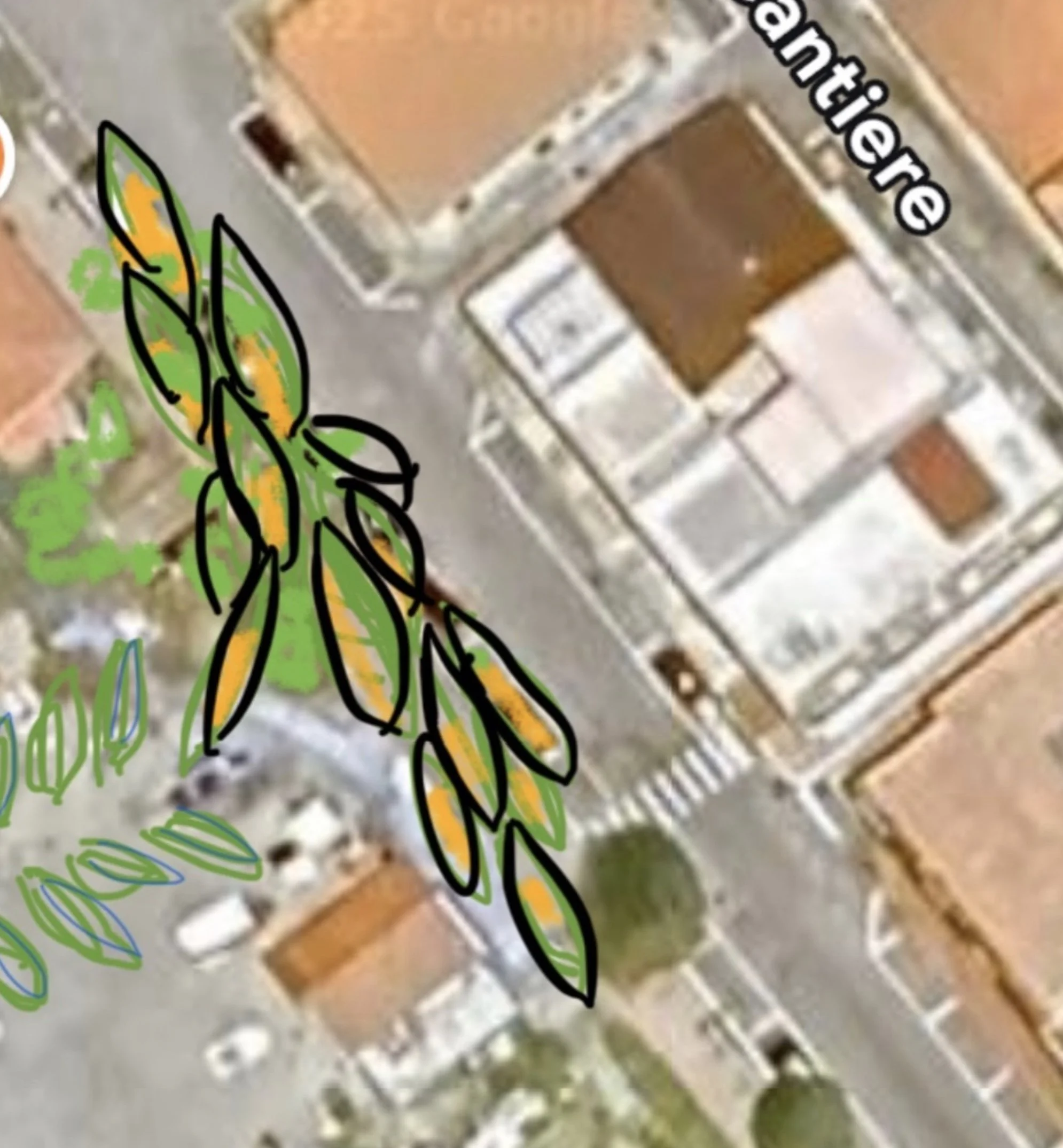
In Lentini, Sicily, we are working with the local administration on a complex urban regeneration project. In a context of economic and social difficulties, it is not enough to design a sustainable building and a beautiful park. We need to build social consensus, identify financial resources and respond to the community's real needs, which are often very concrete: roads that need repairing, street lighting, security and essential services.
It is also a question of setting priorities, coordinating resources and building a shared vision for the community's future. Creating the right conditions for projects to take root and develop.
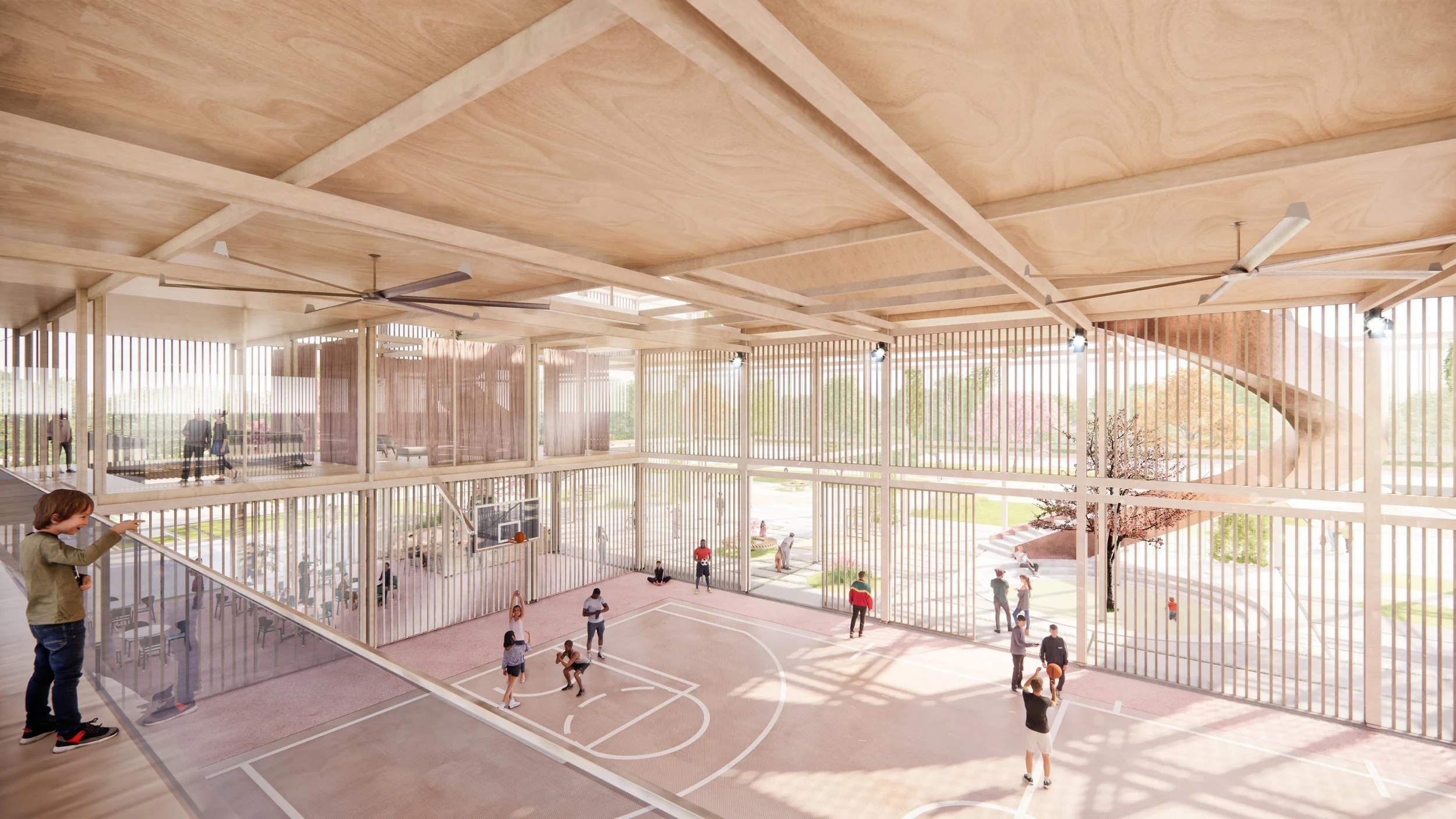
An energy-efficient building, designed according to current bio-architecture principles, using timber and CLT and preferably locally sourced materials, but which remains empty, inaccessible and unused, is still a waste of resources.
It is simply not intelligent, let alone smart, no matter how many of the latest technologies it contains to monitor everything.
Similarly, Consell de Cent in Barcelona has become an extraordinary green and climate-resilient public space, but it raises an important question: how can we prevent urban regeneration from contributing to excessive gentrification? Of course, gentrification is a much more complex issue than urban regeneration alone.
A transformation that fails to involve and protect the local community risks producing the opposite effect: improving physical space and environmental quality, creating a climate refuge, while weakening the social and economic fabric that gives the neighbourhood its identity. The result may be a space increasingly driven by speculation rather than one that generates shared economic value and opportunities for its existing community.
I believe that true urban intelligence does not lie in the amount of technology we use, but in our ability to bring together and coordinate complexity in order to build more liveable, sustainable and competitive cities, capable of generating value, attracting expertise and creating opportunities for communities and businesses, which must actively participate in this process.
It is a process involving different dimensions — environmental, economic, social, cultural and technological — which must interact and find a balance. A complex process, not always linear, but necessarily collective.
An intelligent city is a community that can build its future together.
Bebo Ferlito